5 Minute Strength Training for Seniors: Part 4 with Seated Exercises
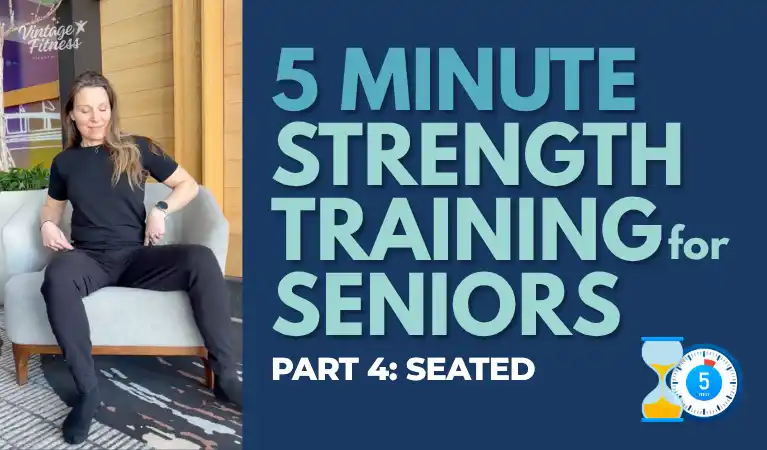
Getting started with exercise is often the hardest part. Consistency comes in a close second. That's why we created this series of simple, effective five minute strength workouts designed to fit easily into your day. The idea was to make the workouts irresistibly quick and easy. Judging by the number of you watching the videos on repeat, we think we've succeeded. It's hard to protest a workout that takes less time than making a sandwich.
Why Seated Strength Training Matters for Seniors
Part 4 is all about seated strength training for seniors. Using a chair for support and comfort, you can build strength safely while staying grounded and stable. This is perfect for seniors who want to exercise without worrying about balance or fall risk.
The beauty of seated strength training is that it's accessible. You can do it while watching TV. You can do it in your living room without special equipment. You can do it on days when you don't feel steady on your feet. Yet despite its simplicity, seated strength training for seniors builds real, measurable strength.
Don't underestimate the power of a five minute routine. Done consistently, these micro workouts for seniors help you move better, feel stronger, and build confidence over time. And since it's such a small time commitment, it's really easy to stick with and build from.
Follow Along with This Seated Strength Training Workout
Watch the video below and follow along at your own pace. Go as slow as you need to. Pause and replay as needed. Our objective is to make this short workout effective but attainable, and to inspire you to get into a consistent routine.
Exercise Breakdown: Seated Strength Training for Seniors
Seated strength training for seniors uses simple movements that target your core, upper body, and legs while keeping you safely seated. Follow along with the video to see the exact form and modifications for each movement.
What You'll Learn in This Workout
This seated strength training routine focuses on functional movements that support daily activities. You'll work on core strength, arm strength, and leg power. All while staying comfortable and supported in your chair.
The Benefits of Seated Strength Training
Seated strength training for seniors offers unique advantages that make it ideal for people at any fitness level. Safety is first. When you're seated, you eliminate balance concerns and reduce fall risk. Your focus can be entirely on the movement and the muscles you're working.
Accessibility is another major benefit. You don't need to be able to stand for long periods. You don't need a lot of space. You don't need expensive equipment. A sturdy chair is all you need to get started with effective strength training.
Consistency is easier with seated workouts. Since there's no setup, no special clothing needed, and no barrier to entry, you're more likely to do the workout regularly. And regular, consistent five minute sessions create real results.
Seated strength training also builds confidence. As you progress and feel stronger, your confidence grows. This often leads to more activity throughout the day, which compounds the benefits of your five minute workout routine.
Seated Strength Training You Can Do Anywhere
One of the best things about seated strength training for seniors is that you can do it almost anywhere. At home in your favorite chair while watching TV. At a doctor's office waiting for an appointment. At a coffee shop. While visiting family. The portability means you never have an excuse to skip your five minute routine.
This flexibility also means you can build the habit easily. When exercise is this accessible, it becomes less of a special project and more of a normal part of your day. That's when the real benefits start to compound.
Building Your Routine
Start with this five minute seated strength training workout. Do it consistently. As it becomes easier, you have options. You can increase the number of repetitions. You can add light hand weights or resistance bands. You can combine this seated workout with other parts of our five minute series.
The progression can be as gentle or as ambitious as you want. There's no pressure. The only rule is consistency. Five minutes a day, done regularly, creates changes that will surprise you.
All Parts of the Series
This is Part 4 of our five minute strength training series for seniors. If you missed the earlier parts, you can find all of them on our Vintage Fitness YouTube channel. Look for the five minute workout playlist.
- Part 1: Stability Ball Exercises
- Using a stability ball for balance and core work
- Part 2: Stair Exercises
- Using stairs in your home for leg and balance training
- Part 3: Hand Weights
- Using dumbbells or household items for upper body strength
- Part 4: Seated Strength Training (This workout)
- Using a chair for safe, stable, accessible strength work
All of these workouts are free for you to use at your leisure. Mix and match them based on how you feel and what you have access to. The beautiful thing about this series is that you can combine different workouts to create your own customized routine.
Frequently Asked Questions About Seated Strength Training
- Is seated strength training as effective as standing exercises?
- Yes. When done consistently, seated strength training builds real muscle and bone strength. The difference is that seated work removes balance challenges, which means you can focus entirely on the muscles you're working. For many seniors, this makes seated training more effective because they can maintain better form and consistency.
- What kind of chair do I need?
- Any sturdy chair works. It should be stable, have a firm seat, and be at a height where your feet touch the floor comfortably. Dining chairs, office chairs, and accent chairs all work well. Avoid soft couches or recliners that sink when you sit down.
- Can I do seated strength training if I have limited mobility?
- Often yes. The beauty of seated exercises is that they can be modified for almost any mobility level. Start with the movements that feel comfortable. Skip any that cause pain. Work with a trainer if you need help identifying which exercises are right for you.
- How often should I do this seated strength training workout?
- You can do this routine daily. Five minutes is short enough that daily practice is very manageable. Consistency matters more than doing longer workouts less frequently. Many seniors find that daily five minute routines fit better into their schedule than occasional longer sessions.
- Can I add resistance to seated exercises?
- Absolutely. Once you feel comfortable with the basic movements, you can add light hand weights, resistance bands, or even ankle weights. Start light and progress gradually. Proper form is always more important than the amount of resistance.
- What if I get tired during the workout?
- Take breaks. Pause the video. Rest between movements. There's no timer, no instructor watching. This is your workout, done at your pace. As you build endurance, you'll find yourself taking fewer breaks.
- Can seated exercises help with posture?
- Yes. Many of the movements in seated strength training specifically target the muscles that support good posture. As you build strength in your back and core, posture naturally improves. This has the side benefit of making you look taller and feel more confident.
- Is it okay to do seated strength training every day?
- Yes. Five minutes is short enough that daily practice is fine for most people. However, listen to your body. If you feel sore or fatigued, take a day off. Resume when you feel ready. The goal is consistency over time, not pushing through pain.
Take a Seat and Get Stronger
Seated strength training for seniors proves that effective exercise doesn't need to be complicated or time-consuming. Five minutes. A chair. Consistency. That's all you need to build real strength and improve your health.
If you'd like personalized guidance on seated strength training or help creating a complete fitness program tailored to your goals and abilities, we're here to help.
RSS Subscribe:

Search
Categories
- Abdominal / Waist Exercises
- Aches and Pains
- Aging Well
- Arm Exercises
- Arthritis
- Back exercises
- Balance for Seniors
- Core
- Diabetes
- Elastic Band Exercises
- Exercise Programs
- Fitness Goals
- Flexibility Exercises
- Guest blog
- Hands
- Heart Health
- Incontinence Exercises
- Knees
- Leg Exercises
- Mental Health
- Neck Exercises
- Nutrition
- Osteoporosis
- Other
- Personal Training
- Posture
- Sciatica
- Shoulder
- Strength Exercises
- Stretching Exercises
- Success Stories
- Virtual Training
- Webinar
- Weight Loss
- Women’s Health