5 Minute Strength Training for Seniors: A Complete Guide
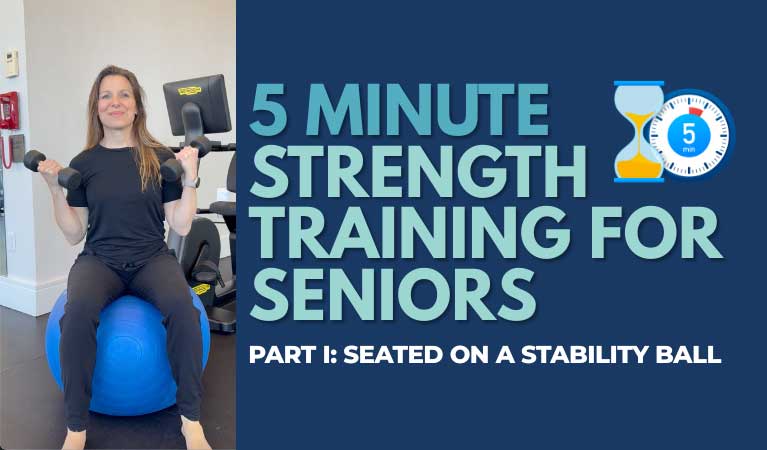
Building and maintaining strength doesn't require hours at the gym. This 5 minute strength training routine for seniors is designed to improve balance, build lean muscle, and boost confidence. Best of all, you can do it at home with minimal equipment.
Why Seniors Need Strength Training
After age 30, adults naturally lose about 3 to 5 percent of muscle mass per decade. This loss accelerates after age 60 without regular strength training. Strong muscles protect your bones, improve balance, reduce fall risk, and help you maintain independence with everyday activities like climbing stairs, carrying groceries, and getting up from a chair.
The good news: even short, focused strength sessions deliver real results. This 5 minute workout targets the muscles that matter most for senior mobility and stability.
Follow Along With This 5 Minute Strength Training Routine
This is a follow-along workout where you can exercise with Leigh in real time. All you need is a stability ball (or a sturdy chair), a pair of dumbbells, and about 5 minutes. The video is just over 2 minutes long. Complete the series 2 to 3 times for a full 5 minute workout.
Exercise Breakdown: What You'll Do
Here's a detailed breakdown of each exercise in this 5 minute strength training routine for seniors. This helps you understand what muscles you're working and how to perform each movement safely. Follow along with the video as Leigh guides you through each movement.
1. Bicep Curls on the Stability Ball
Start with bicep curls while seated on the stability ball. If you're new to this exercise, begin with about 5 pound dumbbells. If you're already familiar with bicep curls, you can start with 8 pounds. Keep your elbows in the same position throughout the movement. Don't let them move forward or back. Bicep curls strengthen your arms and improve your ability to lift and carry items in daily life.
2. Lateral Raise for Shoulder Strength
Switch to a lighter weight for this exercise. Bring your arms out to the sides, raising them only to shoulder height. Avoid letting your shoulders come up toward your ears. If you're new to strength training, start with 2 to 3 pound weights. If you're already used to that weight, you can move to 5 pounds. This exercise specifically targets the deltoid muscles and improves shoulder stability.
3. Shoulder Mobility with Reverse Grip
Flip your palms up toward the ceiling while holding the weights. This reverse grip is a bonus exercise that engages different shoulder muscles and improves mobility in the shoulder joint. This enhances shoulder flexibility, which helps with reaching movements in daily life.
4. Single Leg Balance with Hip Flexion
Move into the balance series. Sit on the stability ball and balance on one foot while lifting the opposite knee slightly. This is an excellent exercise for your core and hip flexors. If you're not used to a stability ball yet, you can use a sturdy chair instead or place the ball against the wall behind you. Always make sure you have something to hang onto beside you for safety. This move dramatically improves balance and reduces fall risk.
5. Leg Extensions on the Stability Ball
From the seated position, extend your leg straight out in front of you. Flex your feet so you really feel the front of your legs engaging. This targets your quadricep muscles on the front of your legs, which are essential for climbing stairs and standing up from seated positions. Your quadriceps are among the most important muscles for senior independence.
6. Stability Ball Jumping Jacks
Move into the final exercise. Start with just the legs moving up and down on the ball. As you build confidence and strength, you can advance to adding arm movements. It's also fun to bounce on the ball. This combines cardiovascular benefits with balance training. Bouncing on the stability ball is low impact yet effective, making it ideal for seniors. Remember to breathe throughout all these exercises.
How to Complete a Full 5 Minute Workout
Complete all six exercises as shown in the video. Once you've finished the entire series, repeat it 2 more times. This gives you a complete 5 minute strength training session that covers all major muscle groups.
Equipment You'll Need
This 5 minute strength training routine requires minimal equipment. You'll need light dumbbells (2 to 5 pounds) and a stability ball. If you don't have a stability ball, a sturdy chair works just as well. The beauty of this workout is that it's simple, affordable, and can be done in your living room.
Frequently Asked Questions About Senior Strength Training
Is 5 minute strength training enough for seniors?
Yes. Research shows that even short strength training sessions provide significant benefits for seniors when done consistently. This 5 minute workout targets major muscle groups and can be done daily or several times per week. For best results, aim for at least 2 to 3 sessions per week.
Can I do this strength training if I have arthritis?
This routine can be modified for arthritis. Start with lighter weights or no weights at all. Focus on slow, controlled movements and avoid any exercise that causes pain. If you have severe arthritis, consult with a healthcare provider or certified fitness professional before starting. Many seniors with arthritis successfully do this workout with minor adjustments.
Is a stability ball safe for seniors?
Yes, when used properly. Always have something sturdy to hold onto beside you. You can also place the ball against a wall for extra stability. If you're uncomfortable with a stability ball, a sturdy chair is a perfect alternative. The ball adds challenge and engages your core, but safety comes first.
What if I'm new to exercise and out of shape?
Start slowly. Use the lightest weights possible (even 1 to 2 pounds) or no weights at all. Do the exercises at a slower pace and take breaks if needed. You don't need to repeat the series 3 times right away. Start with 1 or 2 rounds and build up. Every senior can start where they are and progress gradually.
Can I do this if I have balance problems or fall risk?
This routine is actually excellent for improving balance. However, if you have significant balance concerns, work with a certified senior fitness trainer who can spot you and ensure safety. You can modify the exercises by using a chair for support throughout. Balance improves quickly with consistent practice.
How often should I do this 5 minute strength training routine?
You can do this routine daily. Consistency is more important than rest days for a 5 minute workout. Doing this routine every day or most days will make a noticeable difference over time. Start with what feels manageable for you, whether that's 3 times a week or every day. The key is consistency.
Should I do other physical activity along with this routine?
Yes. While this 5 minute strength training routine is excellent, it's beneficial to combine it with other physical activity. This could include walking, swimming, gentle stretching, or other activities you enjoy. Combining strength training with cardiovascular activity and flexibility work creates a well-rounded fitness program. However, this strength routine alone, done consistently, will make a real difference in your strength and independence over time.
Do I need any other equipment besides the stability ball and weights?
No. This is a complete strength training routine with minimal equipment. A stable floor space of about 6 feet by 6 feet is all you need. Wear comfortable clothes and supportive shoes.
What if I have shoulder pain or limited shoulder mobility?
Modify by reducing your range of motion. You don't need to raise your arms all the way to shoulder height. Work within your pain-free range. Over time, your mobility will improve. If pain persists, consult a healthcare provider before continuing.
Can seniors build muscle with just 5 minutes of training?
Yes. Short, focused strength sessions are highly effective for seniors, especially with consistency over time. The key is doing this routine regularly and sticking with it. You don't need long gym sessions to see results. Consistency beats intensity every time. Seniors who do this 5 minute routine regularly will notice real improvements in strength, balance, and independence within weeks.
Is this workout suitable for seniors with chronic conditions?
This routine is generally safe for seniors with common conditions like diabetes, heart disease, or arthritis. However, always consult your doctor before starting a new exercise program, especially if you have complex health concerns. A certified senior fitness trainer can help customize the routine for your specific needs.
What breathing techniques should I use during this strength training?
Remember to breathe throughout all exercises. A good rule of thumb: exhale during the hardest part of the movement (when you're lifting the weight) and inhale during the easier part (when you're lowering the weight). Never hold your breath, as this can raise blood pressure.
How long before I see results from this 5 minute strength training routine?
Most seniors notice improved balance, easier movement, and increased confidence within 2 to 4 weeks. Measurable strength gains appear within 4 to 6 weeks of consistent training. Some people feel energized and stronger after just a few sessions.
Get Expert Guidance for Your Fitness Journey
This 5 minute strength training routine is a great starting point. However, everyone's fitness needs are different. If you have concerns about your health, balance, or how to properly perform these exercises, working with a certified senior fitness trainer makes a real difference.
A professional trainer can assess your current fitness level, address any physical limitations, ensure you're using proper form, and create a personalized progression plan. This keeps you safe and helps you achieve better results faster.
Book a free consultation
with a Vintage Fitness trainer today.
We can discuss your goals, answer your questions, and design a strength training program that works for your unique situation.
With gratitude,
Leigh
RSS Subscribe:

Search
Categories
- Abdominal / Waist Exercises
- Aches and Pains
- Aging Well
- Arm Exercises
- Arthritis
- Back exercises
- Balance for Seniors
- Core
- Diabetes
- Elastic Band Exercises
- Exercise Programs
- Fitness Goals
- Flexibility Exercises
- Guest blog
- Hands
- Heart Health
- Incontinence Exercises
- Knees
- Leg Exercises
- Mental Health
- Neck Exercises
- Nutrition
- Osteoporosis
- Other
- Personal Training
- Posture
- Sciatica
- Shoulder
- Strength Exercises
- Stretching Exercises
- Success Stories
- Virtual Training
- Webinar
- Weight Loss
- Women’s Health