Exercise for Cholesterol and Heart Health: A Guide for Seniors
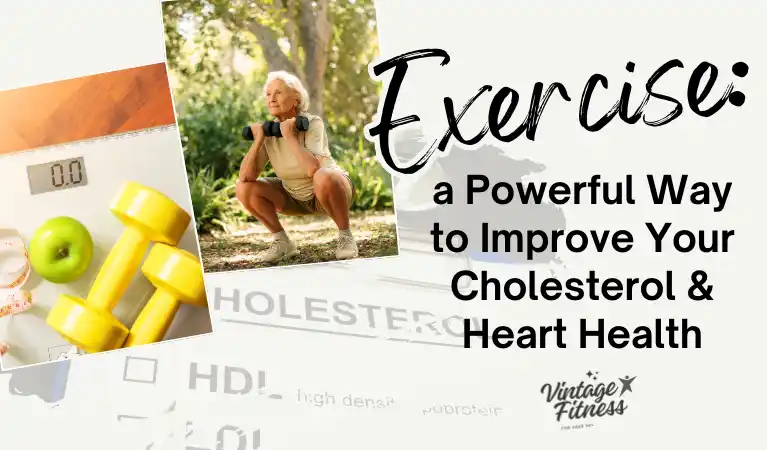
As we age, taking care of our heart becomes more important than ever. One of the most powerful tools available is exercise. Regular physical activity is a proven way to improve cholesterol levels and support long-term heart health. Whether you're concerned about high cholesterol or simply want to protect your cardiovascular system, exercise for cholesterol and heart health is one of the most effective steps you can take. And it's never too late to start.
Understanding Cholesterol and Heart Health
Not all cholesterol works the same way. Your body produces different types, and understanding the difference matters for managing your heart health.
LDL cholesterol is often called "bad cholesterol." High levels of LDL can lead to fatty deposits building up in your arteries. Over time, this narrows the arteries and increases your risk of heart attack, stroke, and peripheral artery disease.
HDL cholesterol, on the other hand, is the "good cholesterol." It works by carrying LDL cholesterol away from your arteries and back to your liver, where it can be broken down and removed from your body. Higher HDL levels mean better protection for your cardiovascular system.
The goal is to lower LDL and raise HDL. Many people think diet alone is the answer, but there's another factor that cannot be overlooked. Exercise plays a big role in improving cholesterol.
How Exercise Improves Your Cholesterol
Exercise has a direct and powerful effect on cholesterol levels. Regular physical activity directly boosts HDL cholesterol while helping your body eliminate harmful LDL buildup. This dual action makes exercise for cholesterol and heart health one of the most effective approaches available, especially for seniors.
A sedentary lifestyle lowers HDL levels. This means less good cholesterol is available to help clear bad cholesterol from your bloodstream. The opposite is also true. When you commit to regular physical activity, your HDL cholesterol levels increase and your general heart health improves.
According to the Canadian Heart and Stroke Foundation, "Aim for 150 minutes of moderate to vigorous physical activity a week." This recommendation isn't random. Research shows that this level of activity produces measurable improvements in cholesterol profiles and how your heart functions.
Why Strength Training Works So Well
While any physical activity helps, strength training offers unique benefits for cholesterol and heart health. The American Heart Association specifically recommends including "moderate to high-intensity muscle-strengthening activity (such as resistance or weights) on at least 2 days per week" in your weekly exercise routine.
Why is strength training so effective? Because muscle burns fat. When you build muscle through resistance training, your body composition changes in ways that directly support better cholesterol levels. Additionally, maintaining a healthy weight also helps your cholesterol, which is another way strength training reduces other heart disease risks.
For seniors, strength training offers additional benefits beyond cholesterol management. It builds bone density, improves balance, maintains independence, and boosts overall energy. The combination of improved cholesterol plus these functional benefits makes exercise for cholesterol and heart health a comprehensive approach to aging well.
Consistency Matters More Than Intensity
Even small amounts of regular activity make a difference. You don't need to train like an athlete to see results. Research consistently shows that moderate, consistent exercise produces meaningful improvements in cholesterol levels and heart health markers.
The key word here is consistency. A 45-minute workout once a month won't produce results. But 20 to 30 minutes of activity most days of the week will. This is especially important for seniors, where sustainable, manageable routines are far more effective than intense, sporadic efforts.
Many seniors find that combining a structured fitness program with dietary changes produces the best results. The combination of exercise for cholesterol management and eating more vegetables, fruit, avocado, nuts, and beans creates a powerful approach against high cholesterol.
Getting Started Safely
If you're concerned about your cholesterol or want to protect your heart health, starting an exercise program is one of the most effective steps you can take. However, it's important to start safely and in a way that works for your life.
Begin where you are. If you're currently not exercising, even a 10-minute walk is a positive step. From there, gradually increase how long you exercise and how hard you work. If you have existing health concerns or high cholesterol, talk with your doctor before starting a new exercise program. They can give you specific recommendations based on your health situation.
Strength training is particularly effective for cholesterol and heart health, but doing it correctly matters. Working with a certified fitness trainer ensures you're doing exercises properly and progressing at a pace that works for your body. This is especially important for seniors, where proper technique prevents injury and helps you get better results.
Diet and Exercise Together
While this article focuses on exercise for cholesterol and heart health, diet matters too. Dietary changes alone can have an impact. But the research is clear. Combining a heart-healthy diet with regular exercise produces better results than either approach alone.
A heart-healthy diet typically includes more vegetables, fruit, nuts, beans, and healthy fats, while reducing processed foods and excess saturated fats. Add consistent exercise to this approach, and you create a comprehensive strategy for improving cholesterol and protecting your heart.
It's Never Too Late to Start
One of the most important things to understand is that it's never too late to make significant changes. Research shows that seniors who start exercising can improve their cholesterol and heart health, even if they've been inactive for years. Your age is not a barrier. Your willingness to take action is what matters.
Many seniors do experience improvements in their cholesterol levels and overall heart health over time when they commit to consistent exercise and healthy lifestyle changes. These improvements can help reduce your risk of heart disease, stroke, and other cardiovascular conditions. However, the timeline and degree of improvement varies from person to person.
Frequently Asked Questions About Exercise and Cholesterol
- How long does it take to see cholesterol improvements from exercise?
- Results vary widely from person to person. Some people may see improvements within a few weeks, while others take several months. The timeline depends on your starting fitness level, diet, genetics, how consistent you are with exercise, and whether you're taking medication. The best approach is to work with your doctor to track your cholesterol levels over time and monitor your progress.
- Do I need to do intense exercise to improve cholesterol?
- No. Moderate-intensity activity done consistently is very effective for improving cholesterol. The Canadian Heart and Stroke Foundation recommends 150 minutes of moderate to vigorous activity per week. Many seniors achieve this through walking, swimming, or other accessible activities combined with strength training.
- Is strength training safe if I have high cholesterol?
- For most people, strength training is safe and can be beneficial for cholesterol. However, if you have existing health concerns or high cholesterol, talk with your doctor before starting a new program. They can give you specific guidance based on your health situation. A certified fitness trainer can also help ensure you're exercising safely and using proper form.
- Can exercise replace cholesterol medication?
- Exercise can significantly improve cholesterol levels, but whether it replaces medication depends on your individual situation and your doctor's recommendations. Some people achieve healthy cholesterol through exercise and diet alone. Others benefit from medication combined with lifestyle changes. Work with your healthcare provider to determine the best approach for you.
- What type of exercise is best for cholesterol improvement?
- A combination approach works best. Aim for 150 minutes of moderate cardiovascular activity per week (walking, swimming, cycling) combined with strength training at least 2 days per week. This combination is recommended by the American Heart Association and produces the most significant improvements in cholesterol.
- Is it too late to start exercising if I'm a senior?
- It's never too late to start. Research shows that seniors who begin exercising can improve their cholesterol and heart health outcomes over time. You may progress more gradually than younger people, and results vary from person to person. Start where you are, progress at your pace, and work with a trainer if possible to ensure safety and proper form.
- Can I improve my cholesterol with just walking?
- Walking is an excellent starting point and does improve cholesterol, especially when combined with dietary changes. However, adding strength training produces even better results. If you're new to exercise, start with walking. As your fitness improves, add strength work for maximum cholesterol and heart health benefits.
- What if I have joint pain or mobility limitations?
- Exercise can often be modified to work around joint pain or mobility issues. Water-based exercises, seated strength training, and low-impact activities all improve cholesterol and heart health. Work with a certified fitness trainer who has experience with seniors and health limitations. They can design a program that works for your specific situation.
Take the First Step
Cleaning up your diet and committing to a regular exercise routine are important steps toward good heart health. The science shows that exercise for cholesterol and heart health is effective. And it's never too late to start, regardless of your age.
If you're ready to get started on an exercise program to improve your cholesterol and protect your heart, we'd love to help. At Vintage Fitness, we work with seniors to create fitness programs that produce real results. Whether you're starting from scratch or looking to enhance your current routine, we can help you design an approach that fits your life and your goals.
Book a free consultation
with a Vintage Fitness trainer. Let's talk about your cholesterol goals, your health concerns, and how exercise can make a real difference for you.
Yours in health,
Leigh
RSS Subscribe:

Search
Categories
- Abdominal / Waist Exercises
- Aches and Pains
- Aging Well
- Arm Exercises
- Arthritis
- Back exercises
- Balance for Seniors
- Core
- Diabetes
- Elastic Band Exercises
- Exercise Programs
- Fitness Goals
- Flexibility Exercises
- Guest blog
- Hands
- Heart Health
- Incontinence Exercises
- Knees
- Leg Exercises
- Mental Health
- Neck Exercises
- Nutrition
- Osteoporosis
- Other
- Personal Training
- Posture
- Sciatica
- Shoulder
- Strength Exercises
- Stretching Exercises
- Success Stories
- Virtual Training
- Webinar
- Weight Loss
- Women’s Health