How to maintain mental health for seniors in winter
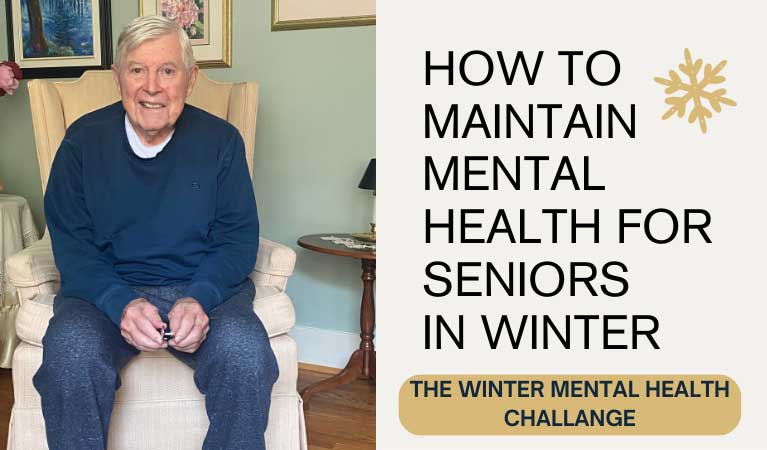
Winter in Ontario can be tough. The cold keeps us indoors. The skies are grey. Snowstorms disrupt routines. And with everything happening in the news, the world feels particularly heavy right now.
If you've been feeling down, isolated, or just not quite yourself, you're not alone. Understanding how to maintain mental health for seniors in winter is especially important this year. But there are practical, proven ways to protect your mental wellbeing during these darker months.
At Vintage Fitness, we know that mental health and physical health are deeply connected. When one suffers, the other does too. And when one improves, it lifts the other along with it.
The Winter Mental Health Challenge
Winter affects everyone's mood, but seniors face unique challenges. Social isolation increases when weather makes it harder to get out. Icy conditions reduce mobility. Shorter days mean less natural light, which directly impacts brain chemistry and mood.
This winter adds extra weight. The news cycle is relentless and distressing. Political tensions are high. It's easy to feel overwhelmed by things you can't control.
But here's what you can control: how you respond. The daily choices you make about movement, connection, routine, and where you put your attention. These build resilience.
Move Your Body, Lift Your Mood
Exercise is one of the most powerful tools for mental health. When you move, your brain releases endorphins and chemicals that naturally improve mood and reduce anxiety.
You don't need intense workouts. A 20-minute walk, gentle stretching, or simple strength exercises all count. The key is consistency. Moving most days creates a stable foundation for better mental health.
Winter makes this harder. You can't always get outside. But you can do chair exercises in your living room, balance work at your kitchen counter, or climb stairs a few extra times.
Exercise gives you control and accomplishment. On overwhelming days, completing your routine is something you achieved. That matters.
Stay Connected (Even When It's Hard)
Social isolation is one of the biggest risk factors for depression in older adults. Winter naturally reduces social interactions. We see fewer people.
But connection is essential. Make it a priority. Call friends or family regularly. Join virtual groups. Attend community events even when you don't feel like it.
If you live alone, schedule regular contact. Even brief interactions help. A chat with a cashier. A phone call with a grandchild. A wave to a neighbor.
Reaching out to others when you're feeling down can help you feel better. Checking in on a friend or offering support gets you outside your own head and reminds you that you have something valuable to give.
Create Structure and Routine
When the world feels chaotic, routine becomes your anchor. Predictable structure provides stability and reduces anxiety.
Have consistent wake times, meal times, and activities. Your brain and body respond well to predictability. It creates order when circumstances feel disordered.
Build in things you enjoy: reading, hobbies, whatever brings pleasure. These aren't extras. They're essential.
Routine keeps you moving forward even when you don't feel motivated. On hard days, your routine carries you through.
Get More Light
Lack of sunlight affects brain chemistry. Reduced light exposure lowers serotonin levels, impacting mood, sleep, and energy.
Get outside during daylight whenever possible, even if cold. Open curtains and blinds to let in natural light.
Consider a light therapy lamp, especially if you notice mood changes during winter. Use them in the morning for best effect.
Light is a physical need. Your brain needs it to function optimally.
Limit News Consumption
Stay informed, but set boundaries. Constant exposure to distressing news takes a toll on mental health.
Decide how much news you want and when. Maybe once in the morning and evening. Maybe reading rather than watching. Find what works, but set limits.
Staying constantly updated doesn't change what's happening. It just changes how you feel.
Use that time to do something that enriches your life. Read a book. Call a friend. Work on a hobby.
Help Others Stay Active and Positive
Helping others improves your own mental health. When you support someone else, you create meaning and purpose. You're reminded of your capability and value.
Check in on a neighbor. Share something positive with a friend. Invite someone to join you for a walk. Volunteer if you're able.
Helping others gets you outside your own concerns. The social connection benefits everyone involved.
Enjoy Life and Make the Most of Every Day
Find small pleasures every single day. Not big moments. Small, real things that bring genuine enjoyment.
A good cup of coffee. Sunshine through your window. A conversation that makes you laugh. A few pages of a good book. Whatever brings small moments of contentment.
Winter doesn't mean happiness is impossible. You just have to be more intentional about finding it. Look for it. Notice it. Let yourself feel it.
Making the most of every day means being present. Noticing what's good. Engaging with life as it is, not as you wish it were.
This isn't toxic positivity. It's acknowledging that even in difficult seasons, there are moments worth savoring.
Take Action Today
You don't have to do everything at once. Pick one thing from this list and commit to it today. Maybe it's a 15-minute walk. Maybe it's calling a friend you haven't talked to in a while. Maybe it's setting up a light therapy lamp or establishing a firmer boundary around news consumption.
One action. One small step toward better mental health.
Then tomorrow, do it again. And the next day. Small, consistent actions compound over time. They build resilience. They create stability. They help you weather difficult seasons.
If you're struggling and these strategies aren't enough, please reach out for professional help. Talk to your doctor. Consider speaking with a therapist. There's no shame in needing additional support. That's what those resources exist for.
We're here for you too. Our trainers understand the connection between physical activity and mental health. If you need support getting started with movement or maintaining consistency, that's what we do.
Ready to feel stronger mentally and physically?
Book a Free Consultation
and let's talk about how movement can support your mental wellbeing this winter.
Want to connect with others who understand?
Read our Success Stories
from seniors who've found strength and community through Vintage Fitness.
Winter is hard. These times are challenging. But you're not powerless. The choices you make every day about movement, connection, routine, and where you place your attention add up to something significant.
Take care of yourself. Stay connected. Keep moving. You matter, and your mental health matters.
RSS Subscribe:

Search
Categories
- Abdominal / Waist Exercises
- Aches and Pains
- Aging Well
- Arm Exercises
- Arthritis
- Back exercises
- Balance for Seniors
- Core
- Diabetes
- Elastic Band Exercises
- Exercise Programs
- Fitness Goals
- Flexibility Exercises
- Guest blog
- Hands
- Heart Health
- Incontinence Exercises
- Knees
- Leg Exercises
- Mental Health
- Neck Exercises
- Nutrition
- Osteoporosis
- Other
- Personal Training
- Posture
- Sciatica
- Shoulder
- Strength Exercises
- Stretching Exercises
- Success Stories
- Virtual Training
- Webinar
- Weight Loss
- Women’s Health