How to Reduce Fall Risk for Seniors in Winter
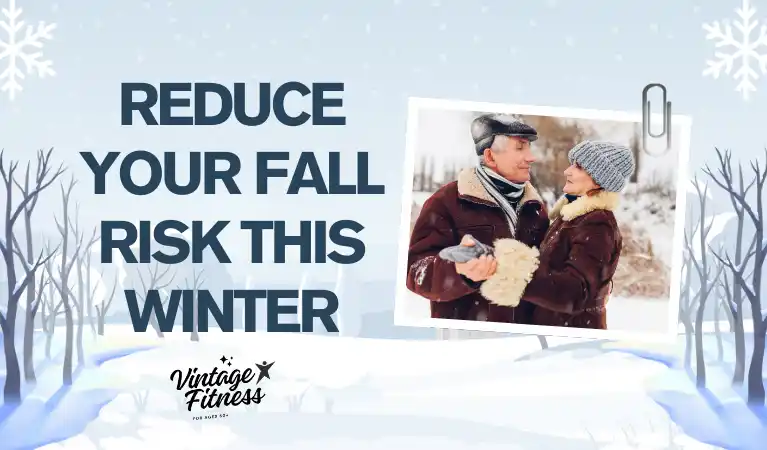
If your current view is anything like this, you probably live in Ontario, where the ground is frozen and covered in a growing blanket of snow. And snow and ice means slippery footing, and the increased risk of falls.
With temperatures in the GTA dipping to -15 degrees Celsius (feels like -23), if you're worried about shoveling your front steps or walking to your car, you are not alone. We've all taken a tumble under these conditions, and seniors are at greater risk of falling due to a number of factors, including decreased balance and strength. But we don't have to take this lying down! (Pun intended). Understanding how to reduce fall risk for seniors in winter starts with the right exercises and techniques that keep you safely on your feet during the harshest months.
You've probably already noticed that the common thread that runs through all of our fitness programs is the big FP: Fall Prevention. It's the single most important aspect of what we do, because being able to move around without fear of falling is what allows our seniors to continue to live their best lives, and we are honoured to be able to facilitate that.
Why Winter Increases Fall Risk for Seniors
Winter in Ontario presents unique challenges that dramatically increase fall risk. Ice and snow create unpredictable surfaces where your footing can give way in an instant. Cold temperatures make muscles stiffer and less responsive. And bulky winter clothing can restrict movement and throw off balance.
But here's what many people don't realize: the biggest risk factor isn't actually the ice. It's how prepared your body is to handle those slippery conditions. When you have strong legs and good balance, your body can make those tiny micro-adjustments that keep you upright even when the ground shifts. Your muscles react faster. Your core engages automatically. This is what fall prevention training builds.
Three Common Balance Training Mistakes (And How to Fix Them)
Before we get into the exercises, let me share three mistakes people make when practicing balance. These come from our owner Leigh.
Watch this quick video where Leigh demonstrates the right techniques:
Mistake #1: Looking down at your toes. When you're trying to balance, your instinct is to look down. But it actually makes balancing harder because it puts your head forward and throws off your center of gravity. Instead, bring your head over your body and look straight ahead. Use a focal point on the wall. You'll be amazed at how much more stable you feel.
Mistake #2: Not engaging your muscles. You stand on one foot and hope you'll stay upright. But hope isn't a strategy. Squeeze your legs and glutes to support yourself. When those muscles are actively working, you'll have much better balance.
Mistake #3: Rolling onto the sides of your feet. Think of your foot as a tripod with three points: big toe, little toe, and heel. Press all three points evenly into the floor. Combine this with squeezing your legs and glutes, and you can balance much longer and more safely.
Essential Fall Prevention Exercises for Winter
Knowing how to reduce fall risk for seniors in winter means having a toolkit of exercises you can do regularly to build and maintain your balance, strength, and stability. We've created a complete Fall Prevention playlist with exercises designed specifically for older adults.
The playlist includes:
- Balance exercises you can do holding onto a chair or counter
- Strength exercises that build the leg muscles you need for stability
- Mobility work that keeps your ankles and hips flexible
- Coordination drills that improve your body awareness
- Progressive exercises so you can start where you are and build up gradually
All of these exercises are designed to be done at home, with minimal or no equipment. You don't need a gym membership or fancy gear. You just need a sturdy chair and the commitment to practice regularly.
Watch the Fall Prevention Playlist
The key is consistency. Doing these exercises a few times a week will build the strength and balance that protects you when you step onto that icy patch or navigate snowy stairs. Think of it as winter-proofing your body the same way you winter-proof your car.
Beyond Exercise: Practical Winter Safety Tips
Exercise is the foundation, but there are other practical steps you can take to reduce your fall risk this winter.
Footwear matters. Your winter boots should have good tread and fit properly. Smooth-soled boots are basically ice skates. Look for deep treads or consider adding traction devices.
Take your time. Give yourself extra time to get where you're going. Slow, deliberate steps are much safer than quick, distracted ones.
Use your arms for balance. Keep your hands out of your pockets when walking on potentially slippery surfaces. Your arms are important balance tools.
Plan your route. Stick to paths that are well-maintained and salted. The extra minute it takes to go the safer way is worth it.
Light up your path. Make sure your walkways are well-lit. Ice is nearly invisible in the dark.
When You Need More Than Videos Can Provide
YouTube videos are fantastic tools, but some of you need more guidance than a video can provide. And we are here for you.
If you've had falls in the past, you need someone watching your form and making sure you're doing exercises correctly and safely. If you have specific limitations or health conditions, you need modifications designed for your body. If you can't stay consistent on your own, you need accountability and support.
This is what our in-home training provides. A qualified trainer who comes to you, works with you one-on-one, and creates a program specifically for your needs. If you want to start or restart a fitness routine, the best time to do it is today.
Your Action Plan for Winter Safety
Here's what to do this week:
First, watch Leigh's video about the three balance training mistakes. Pick one correction and practice it. Master one thing before you move to the next.
Second, check out the Fall Prevention playlist. Start with one or two exercises that feel manageable. Consistency beats intensity.
Third, assess your winter safety setup. Check your boots, lighting, and the routes you typically walk.
If you realize you need more help than videos can provide, reach out to us. We're ready to support you.
Frequently Asked Questions
- How often should I do fall prevention exercises?
- Ideally, do some form of balance or strength work most days of the week. Even 10-15 minutes three to four times per week will make a meaningful difference. The key is regularity.
- Can I do these exercises if I've already had a fall?
- Yes, but with cautions. If you've recently had a fall and you're dealing with injuries or you're very nervous, work with a trainer who can provide hands-on support. Many of our clients come to us specifically after a fall to rebuild confidence and strength.
- What if I don't have good balance to begin with?
- That's exactly why you should do these exercises. Balance is a skill you can improve with practice. Start with the most basic exercises where you're holding onto something stable. As you practice, your balance will get better.
- How long does it take to see improvement?
- Most people notice improvement in balance and confidence within a few weeks of consistent practice. Significant strength gains take longer, usually a couple of months. But you're building long-term protection, not a quick fix.
- What's the single most important exercise for fall prevention?
- Single-leg balance exercises. Being able to stand on one leg with control is fundamental to walking safely and catching yourself if you start to fall. Practice standing on one leg (holding onto something for support at first) for 30 seconds on each side.
Stay Strong, Stay Safe This Winter
Understanding how to reduce fall risk for seniors in winter is about building a body that's strong enough, balanced enough, and responsive enough to handle whatever winter throws at you.
The exercises in our Fall Prevention playlist, combined with the proper techniques Leigh demonstrated, give you the tools you need. Winter in Ontario is long, but you don't have to spend it worried and restricted. You can build the strength and confidence that lets you keep living fully.
Ready to build the strength and balance that keeps you safe this winter?
Book a Free Consultation
and let our trainers create a personalized fall prevention plan for you.
Want to see how others have improved their balance and confidence?
Read our Success Stories
from seniors who've reduced their fall risk and regained their independence.
RSS Subscribe:

Search
Categories
- Abdominal / Waist Exercises
- Aches and Pains
- Aging Well
- Arm Exercises
- Arthritis
- Back exercises
- Balance for Seniors
- Core
- Diabetes
- Elastic Band Exercises
- Exercise Programs
- Fitness Goals
- Flexibility Exercises
- Guest blog
- Hands
- Heart Health
- Incontinence Exercises
- Knees
- Leg Exercises
- Mental Health
- Neck Exercises
- Nutrition
- Osteoporosis
- Other
- Personal Training
- Posture
- Sciatica
- Shoulder
- Strength Exercises
- Stretching Exercises
- Success Stories
- Virtual Training
- Webinar
- Weight Loss
- Women’s Health